
A flame retardant hose is a flexible hose that resists fire. Generally, these hoses include rubber hoses, silicone fire sleeve hoses, and metal hoses. As high-end products, fireproof hoses have strict requirements for raw materials. Let’s look at the details.
Inner material of flame retardant hose
The inner layer of a fire-resistant hose usually uses PU or nitrile rubber as its main material. PU offers good wear resistance, oil resistance, and heat resistance. It works well with high-pressure, high-temperature media. Nitrile rubber, on the other hand, has strong oil resistance, wear resistance, and air tightness. It’s the top choice for oil-based products.
Outer material
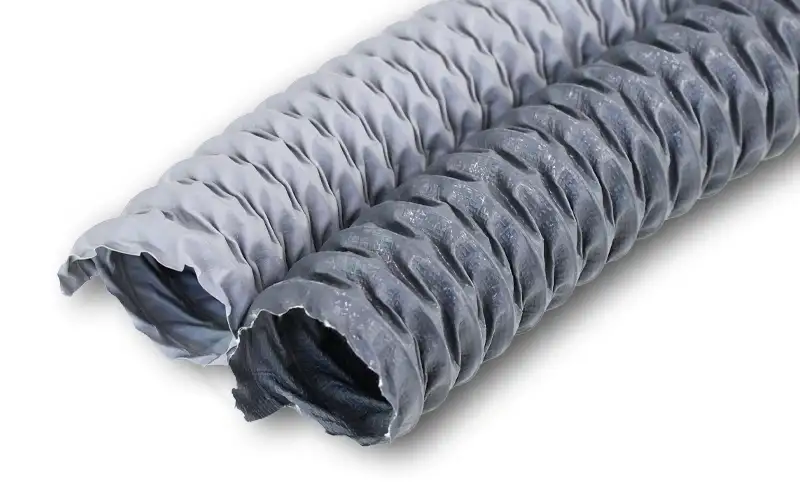
The outer layer of a flame retardant hose often uses natural rubber. Natural rubber boasts good elasticity, wear resistance, and weather resistance. Synthetic rubber, however, excels in oil resistance, wear resistance, and heat resistance.
Flame retardants
Manufacturers add flame retardants during production to boost fire resistance. These include bromine-based, phosphorus-based, and nitrogen-based flame retardants. Bromine-based ones work well but may harm human health. Phosphorus-based options are eco-friendly yet can cause fire spread. Nitrogen-based retardants perform better, but they cost more.
These are the material requirements for flame retardant hoses. Only a high-quality hose ensures smooth, reliable work. And only a reliable supplier can provide such hoses. So, if you need one, choose a trustworthy supplier. I recommend Orientflex.