
A damaged air intake hose might not stop your car from driving, but a faulty brake hose is a serious safety risk. Brake hoses are critical to your vehicle’s braking system—without them, stopping power fails. Let’s break down what brake hoses are, how they work, and what to do if yours gets damaged.
What Happens If a Brake Hose Is Damaged?
A small crack or leak in a brake hose might start subtly. You might notice a soft brake pedal or reduced stopping power. But ignore it, and the damage worsens.
Over time, a damaged brake hose can leak brake fluid. This lowers hydraulic pressure, making it harder to stop—especially in emergencies.
Severe damage (like a split or bulge) can cause a sudden loss of brake fluid. In this case, your brakes might fail entirely.
Temporary fixes (like tape) won’t work here. Brake hoses handle extreme pressure, so tape can’t seal leaks or prevent further damage.
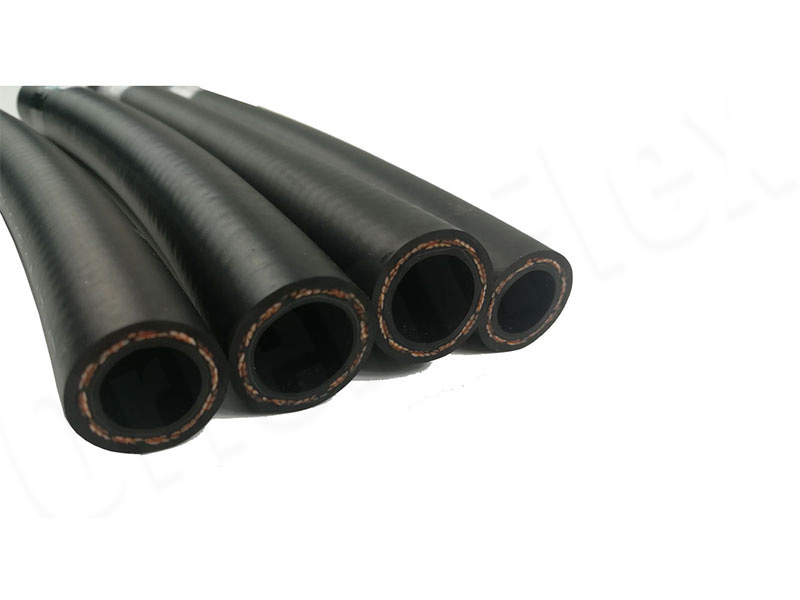
When to Replace a Brake Hose
If you spot signs of damage—cracks, bulges, or fluid leaks—replace the brake hose immediately.
Even undamaged brake hoses wear out over time. Rubber brake hoses can dry out and crack after 6–10 years.
Steel braided brake hoses last longer but still need checks. Look for fraying in the steel weave, which exposes the inner rubber to damage.
Always replace brake hoses with high-quality, vehicle-specific parts. A proper brake hose replacement ensures your braking system works as it should—keeping you safe on the road.