
Nowadays, with more people owning cars, regular vehicle maintenance has become crucial. In this article, we’ll analyze common causes of oil hose leaks and provide practical solutions to address them.
Poor-Quality Oil Pipes
Cause: Inferior materials, workmanship, or flawed structural design in the oil pipe.
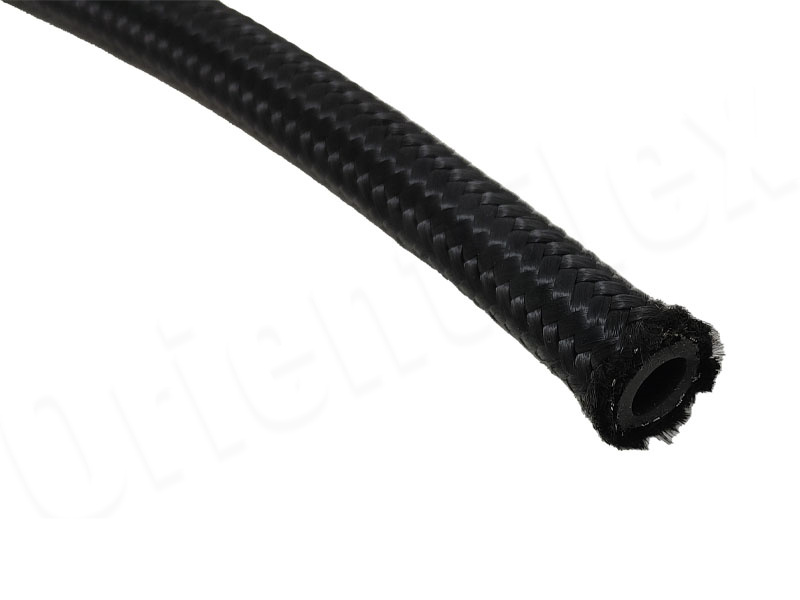
Solution: Replace the hose with a high-quality alternative. Orientflex offers reliable, durable auto oil hoses for long-term performance.
Improper Assembly
Cause: Dirty mating surfaces, damaged or misaligned gaskets, or non-compliant installation.
Solution: Visit a repair shop to disassemble, clean parts, and replace damaged components before reassembling correctly.
Loose or Faulty Fastening Nuts
Cause: Uneven tightening of nuts or stripped threads, leading to seal failure.
Solution: Inspect fastening nuts and retighten them securely.
Worn or Aged Sealing Materials
Cause: Long-term use causes seals to wear, crack, or lose elasticity.
Solution: Regularly check seals for wear and replace them promptly to prevent leaks.
Excessive or Incorrect Lubricant
Cause: Overfilling the oil tank, incorrect oil viscosity, or using the wrong fuel type.
Solution: Add lubricant according to manufacturer specifications and use the recommended fuel.
Damaged Fuel Tank
Cause: Cracks or physical damage to the fuel tank itself, leading to leaks.
Solution: Replace the fuel tank at a professional repair shop. DIY repairs are not recommended.
Broken Oil Hose
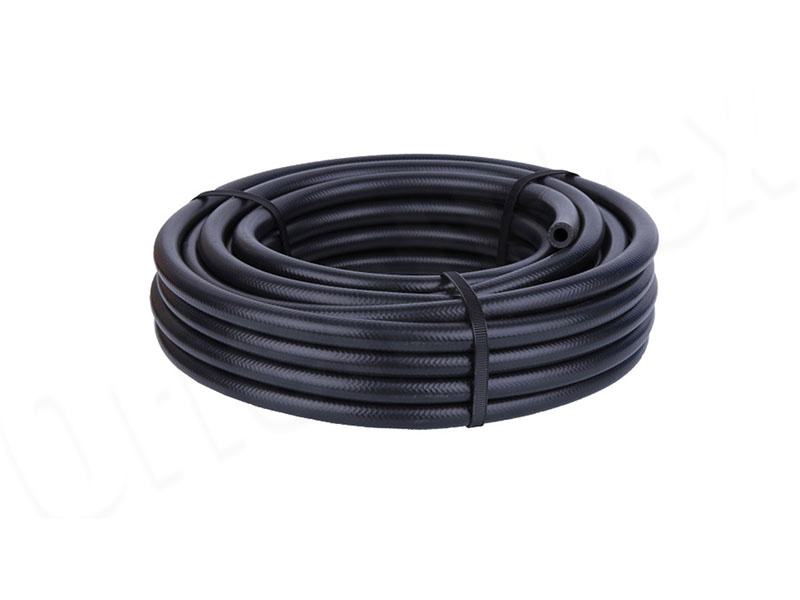
Cause: Severe damage or fractures in the hose, resulting in heavy leaks.
Solution: As a temporary fix, use a plastic pipe of similar diameter and secure it with wire. For a permanent solution, replace the hose immediately.
Cracked or Frayed Hose
Cause: Cracks or breaks in the hose due to age, heat, or pressure.
Solution: For minor leaks, clean the affected area, apply soap or sealant to the gap. Then wrap it tightly with tape until you can replace the hose.