
Metal hoses made from stainless steel are widely used in industrial settings—and two common grades stand out: SS304 and SS316L. Each has unique compositions that shape their performance, so understanding them helps you pick the right metal hose for your needs.
1. Composition of SS304 and SS316L Stainless Steel
First, let’s break down the composition of SS304. It mainly consists of chromium (about 18%) and nickel (about 8%). This mix forms an austenitic structure—key to its performance. SS304 also boasts excellent corrosion resistance and easy processing properties, which make it ideal for manufacturing metal hoses.
Now, let’s look at SS316L. It builds on SS304 by adding molybdenum. Typically, SS316L contains chromium (about 16–18%), nickel (about 10–14%), and molybdenum (about 2–3%). This extra molybdenum isn’t just an add-on; it changes the game for corrosion resistance. Specifically, it significantly boosts the material’s resistance to chloride corrosion—critical for metal hoses used in chloride-rich environments.
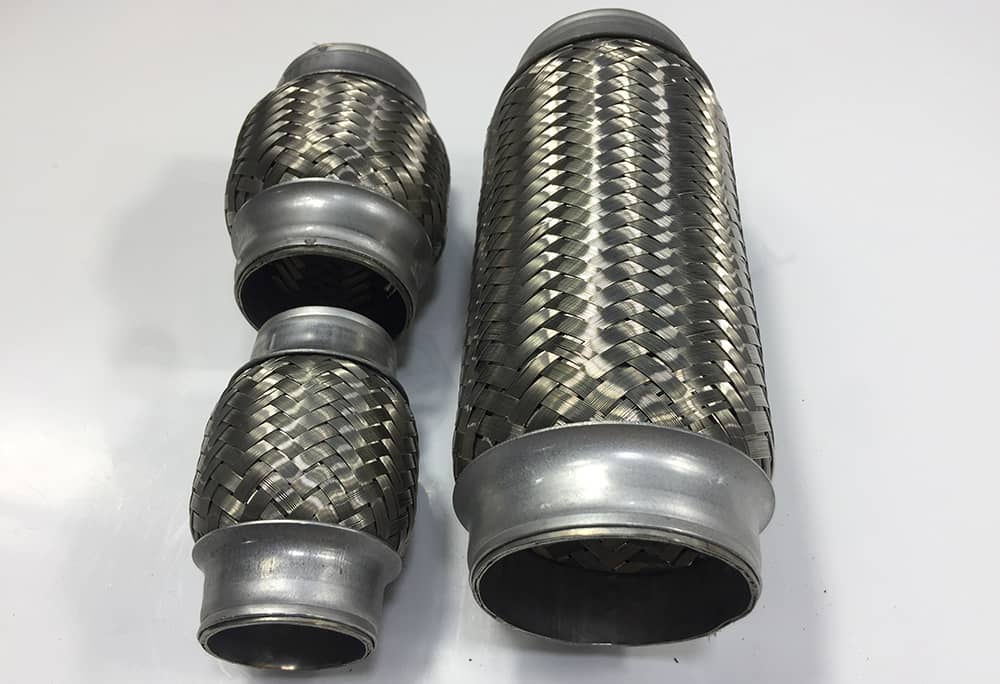
2. Corrosion Resistance: SS304 vs. SS316L Metal Hoses
Corrosion resistance is a make-or-break factor for metal hoses, and here’s how the two grades compare.
For SS304 metal hoses: They offer good corrosion resistance in general environments and against most chemicals. But their resistance can falter in certain acidic or saline settings. For example, if you use an SS304 metal hose to transfer saline solutions, it may start to corrode over time.
For SS316L metal hoses: Things are different. Since SS316L contains molybdenum, it has much higher resistance to chloride ions and a wider range of chemical media. This means it holds up far better in harsh, corrosive conditions. As a result, SS316L stainless steel metal hoses are especially suitable for industrial applications in marine environments (where seawater brings high chloride levels) and other high-salinity settings.