
Suction hoses and delivery hoses have distinct roles in fluid transfer, and their differences mainly lie in their functions.
Suction Hose
Purpose
Suction hoses are made for drawing in fluids, typically from a lower – level source or one with negative pressure.
Structure
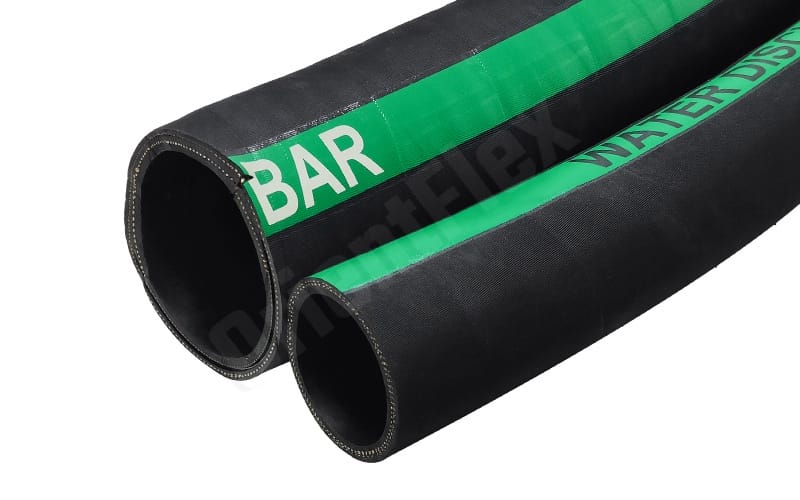
They are built to endure suction forces and keep their shape under negative pressure. Many suction hoses feature reinforcement like wire helix to prevent collapsing during use.
Application
These hoses are commonly used to move liquids, slurry, or powders. In a water supply setup, for instance, a suction hose draws water into a pump for further transportation.
Delivery Hose
Purpose
Delivery hoses, conversely, are meant for discharging or delivering fluids. They transfer fluids from a source (such as a pump or container) to a destination, usually at a higher level or under positive pressure.
Structure
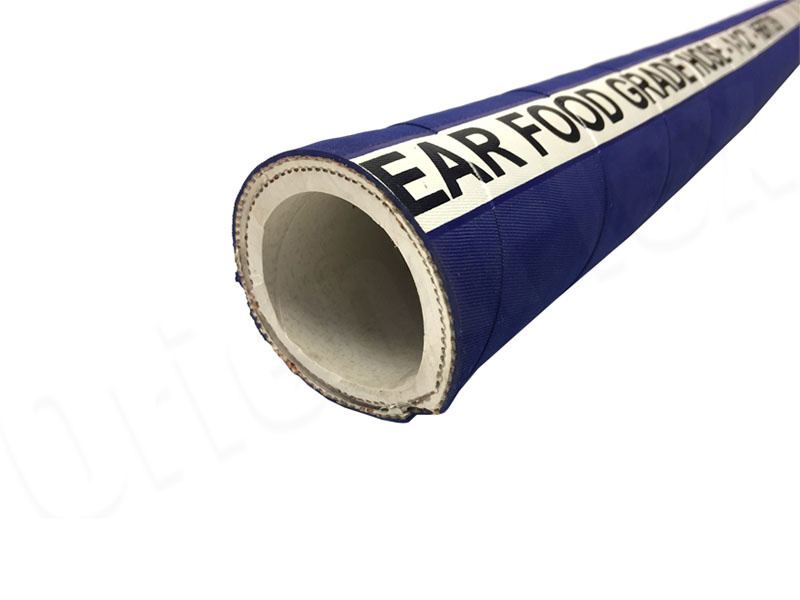
Delivery hoses can withstand the pressure generated during fluid discharge. They have reinforcement for strength, with the focus on handling positive pressure.
Application
They are often used to send water or other fluids to specific places. For example, in firefighting, a delivery hose carries water from a pump or hydrant to put out fires.
In short, suction hoses bring fluids into a system, while delivery hoses send fluids out. Each type’s design and structure match its specific working conditions. So, when choosing a hose, consider your intended use and the type of fluid involved.