
Rubber hose pipes perform exceptionally well in industrial settings due to their superior properties. Additionally, they offer a long service life, which helps you save significant costs. Moreover, since you don’t need to replace them frequently, you can also save a great deal of time. However, proper installation is crucial. A flawed installation can cause a series of issues for the hose, even leading to its failure. Next, let me outline the methods for installing a rubber pipe.
Pre – assembly Inspection
Before installing the hose, carefully check its specifications. First, confirm that the hose type, diameter, and length match the required standards. Then, inspect the hose surface thoroughly to ensure there are no cuts or damages.
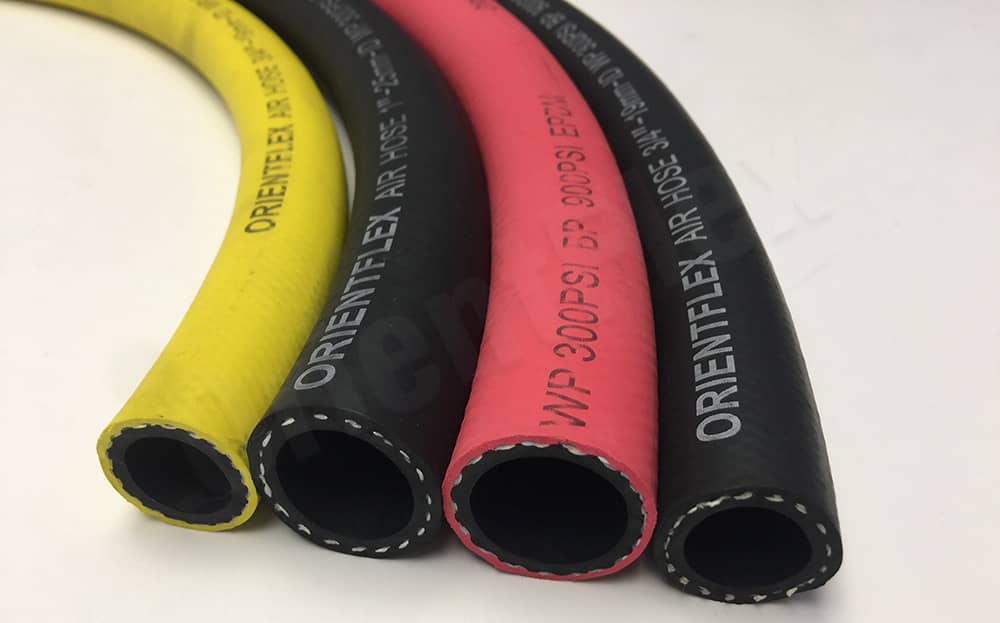
Handling
Move the rubber hose with care to avoid collisions, friction, or extrusion. Never use force if the hose is twisted or knotted. For high – density hoses, transport them in straight lines and use special pallets. If only wooden pallets are available, avoid those treated with creosote or with harmful paint on the surface, as such paint can damage the rubber.
Pressure and Seal Testing
Every rubber hose comes with a factory – specified pressure range, which must be strictly adhered to during use. After installation, conduct a pressure test on the hose assembly in a safe area to check for leaks.
Temperature Control
Use the rubber hose within its specified temperature range. Excessively high temperatures can degrade the rubber, causing it to age prematurely.
The above are key methods for installing rubber hose pipes. For more detailed information, feel free to contact Orientflex.