
In modern industry, the use of silicone and rubber is increasing steadily. However, with the continuous emergence of numerous manufacturers, identifying the quality of silicone tubes has become a challenging task. So, how can we distinguish between rubber and silicone? Orientflex is here to share some effective methods with you.
Measure Weight
First, take out the sample. Then, use an electronic scale or analytical balance to weigh it, ensuring an accuracy of 0.01 grams. Generally, rubber is heavier. If the specific gravity of a sample is significantly larger, it is likely to be rubber.
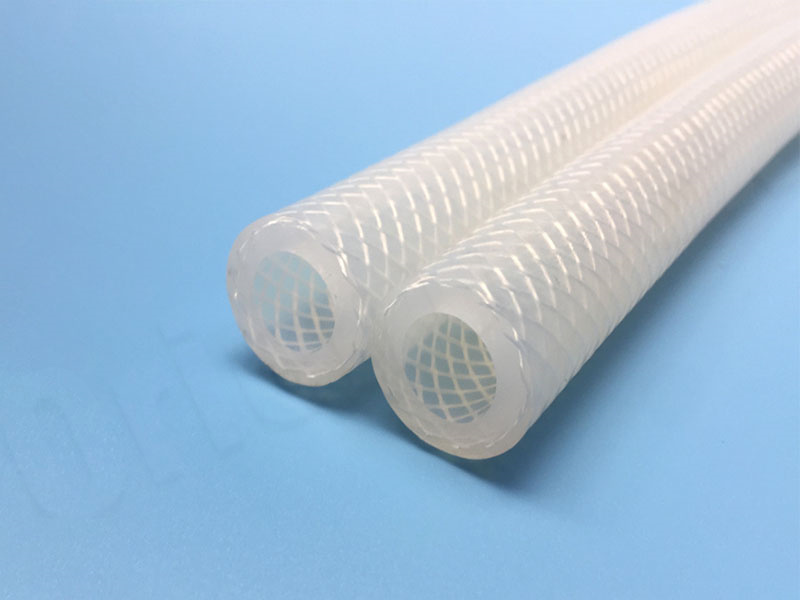
Combustion Method
Start by taking out a small amount of the product and burning it. Fluorine rubber usually burns moderately. On the other hand, CR and CSM can burn out without additional fire support. NR and EPDM burn with relatively large flames. Moreover, you should carefully observe the burning state, color, and smell. When NBR/PVC is used in combination with glue, it will splatter fire randomly when exposed to a fire source. After removing the fire source, it self – extinguishes. The smoke is thick and has a sour smell.
Hot Air Aging
Next, take out the sample and place it in an aging box to observe the aging phenomenon. At 150℃, CR, NR, and SBR will break in a brittle manner. In contrast, NBR and EPDM remain flexible. Ordinary NBR will break when the temperature rises to 180℃, and HNBR will break brittlely at 230℃. But fluorine rubber and silicone still maintain good elasticity.
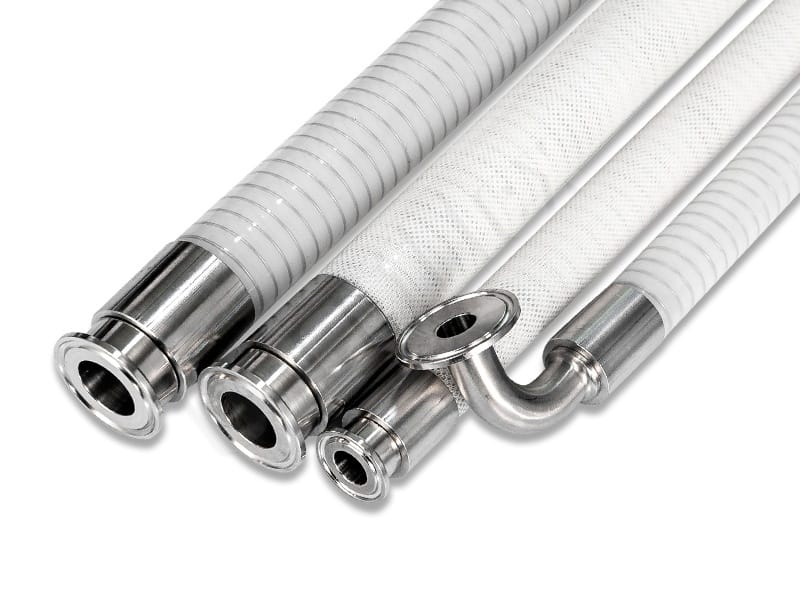
Cryogenic Method
Finally, remove the sample and place it in an appropriate low – temperature environment. Soak the sample in this low – temperature setting for 2 – 5 minutes, and then assess its softness and hardness at the selected temperature. For example, at -40℃, compared with fluorine rubber, which is also resistant to high temperatures and oils, silicone is relatively softer.