
In modern society, many people own cars. When you’re in a car, you’ll notice hoses and pipes in almost every system. Usually, these hoses are made of rubber—take the rubber brake hose J1401, for example. But today, most high-end cars use silicone hoses instead. So why do they replace rubber hoses with automotive silicone ones? The answer lies in silicone pipes’ excellent properties, which we’ll explore below.
Heat Resistance
Silicone hoses handle high temperatures better than standard rubber ones. In high-performance engines, temperatures can spike, especially near the engine block or exhaust system. Silicone hoses, however, stand up to these elevated temps without degrading or melting. This, in turn, ensures reliable performance.
Durability
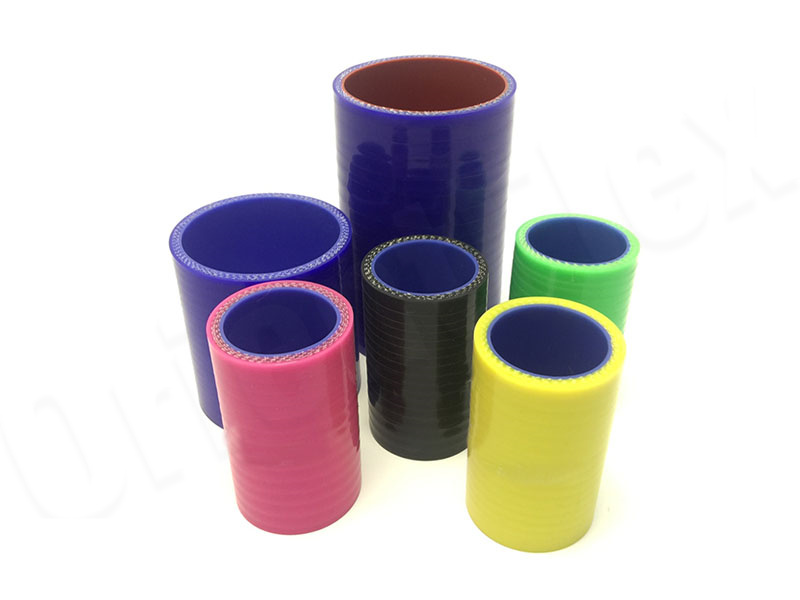
Silicone hoses are also known for their durability and resistance to wear and tear. They easily withstand the stress and pressure inside engines.
Flexibility
Another key trait is flexibility: car silicone hoses can be molded into various shapes and sizes. Even better, this doesn’t compromise their structural integrity. What’s more, this flexibility makes them easy to install in tight spaces and around complex engine components—a necessity often seen in high-end cars.
Chemical Resistance
Silicone hoses also resist many chemicals and fluids, such as oil, coolant, and fuel. This resistance helps prevent degradation and leaks over time, which in turn ensures a long service life.
Appearance
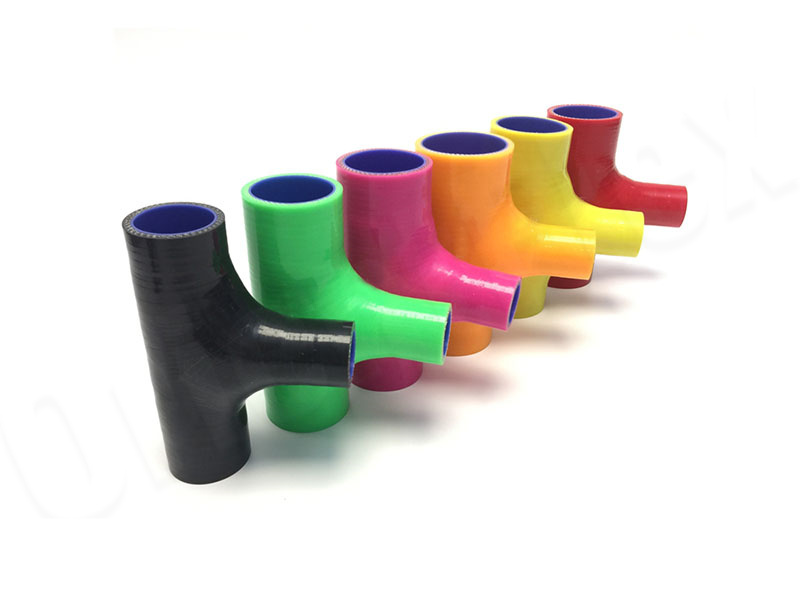
Finally, silicone hoses often have a sleek, polished look. This enhances the aesthetics of high-end engine compartments, aligning with the premium image associated with luxury and high-performance vehicles.
All in all, silicone hoses are clearly the best choice for high-end cars. That said, you can’t just buy any hose at random. Instead, you should find a reliable supplier that provides high-quality hoses.