
Silicone hoses are widely used in various vehicle systems due to their flexibility, durability, and high temperature resistance. Let’s explore their common applications in vehicles.
Cooling System
Silicone hoses play a key role in the cooling system, transferring coolant between the engine, radiator, and heater core. They are ideal for radiator hoses and connections near high-temperature engine areas, where their heat resistance is crucial.
Intake System
In the intake system, silicone hoses connect the air filter box to the throttle body. These hoses can withstand the heat generated by the engine, ensuring reliable airflow.
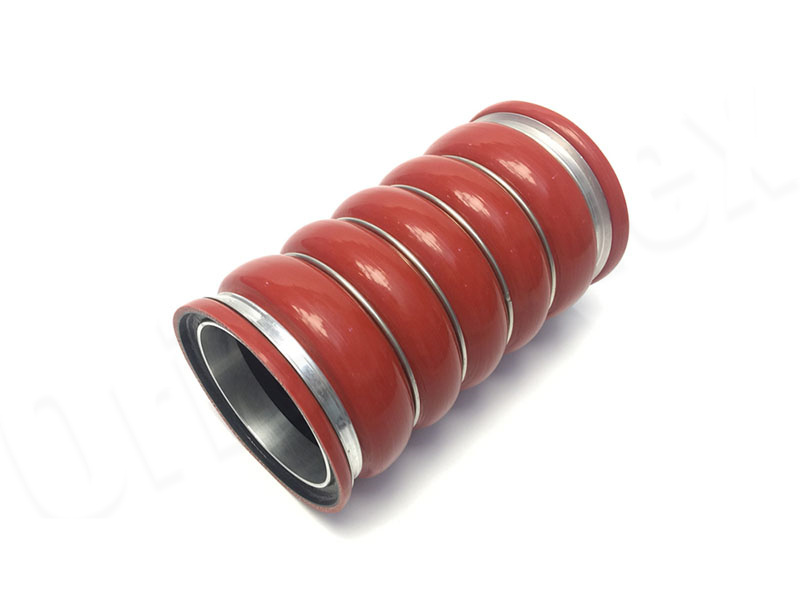
Turbocharger and Supercharger Systems
Turbo and supercharger systems generate significant heat and pressure. Silicone hoses here connect to the intercooler, enduring harsh conditions to maintain efficient boost performance.
Vacuum Lines
Silicone hoses are for vacuum lines that control engine components like the brake booster, EGR valve, and PCV system. Their flexibility and resistance to vacuum pressure make them well-suited for these roles.
Heating System
In the heating system, car silicone hoses carry hot coolant to the heater core, which provides warmth to the cabin. They handle high temperatures while ensuring smooth coolant flow.
Fuel System
In non-pressure parts of the fuel system, silicone hoses serve as vent lines, allowing safe release of fuel vapors without compromising integrity.
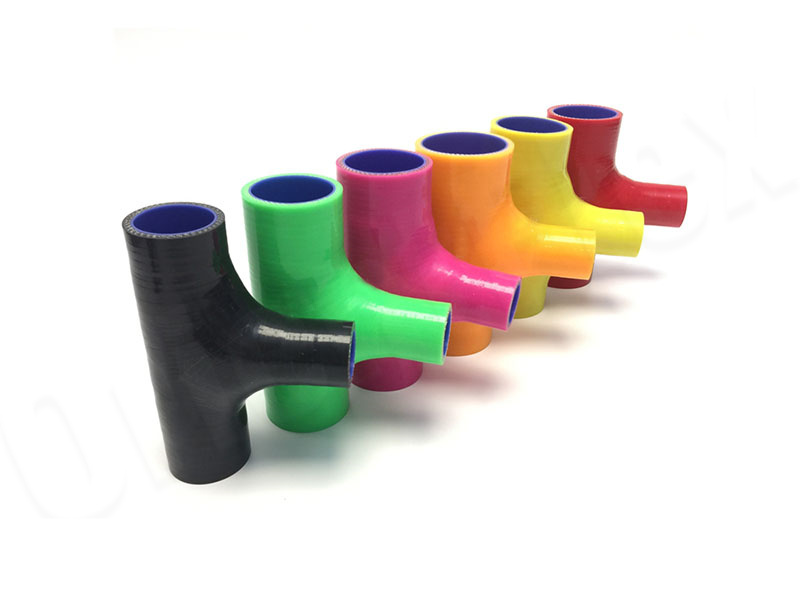
Breather Lines
Silicone hoses are part of the engine’s breather system, enabling gases to escape while withstanding heat and chemical exposure from engine oils and vapors.
Washer Fluid System
Some vehicles use silicone hoses for the windshield washer fluid system. These hoses resist temperature extremes and the chemical composition of washer fluid, ensuring reliable operation.
Ancillary Components
Silicone hoses may also be used in ancillary systems, such as cooling lines for auxiliary components or power steering fluid lines, where flexibility and durability are essential.