
Applicable Temperature Range
High-temperature resistant rubber pipes handle heat well, but they still have a specific temperature range. Using them beyond this range can damage the pipe or reduce its performance. So, always make sure the temperature stays within the pipe’s rated limit when in use.
Media Compatibility
High-temperature resistant rubber pipes are made from different materials. This means they interact differently with various media. When transporting a specific substance, check their chemical compatibility first. This avoids reactions between the medium and the pipe—reactions that could damage the pipe or harm the medium’s quality.
Pressure Limit
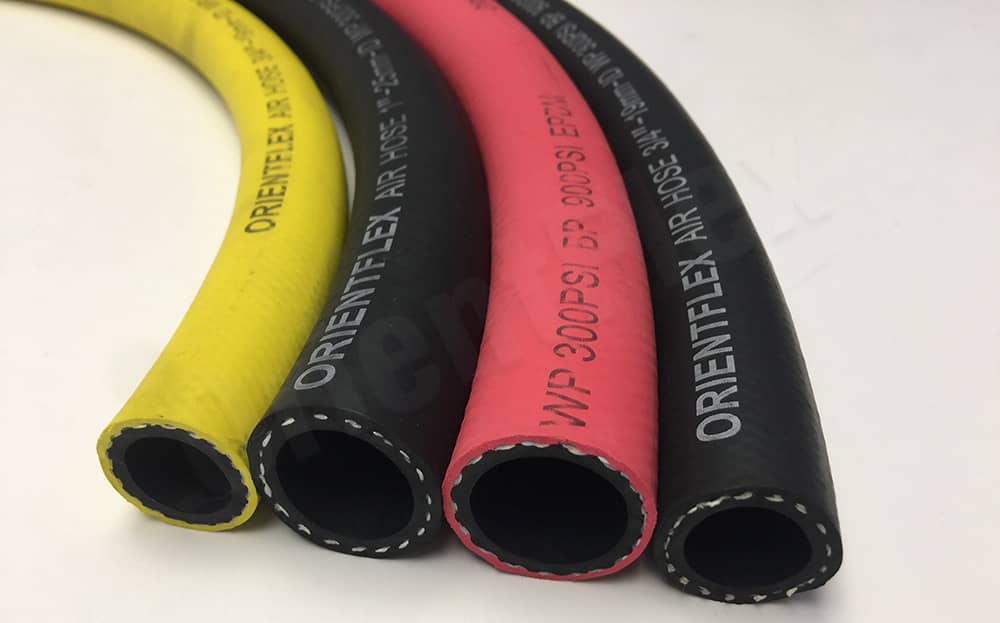
These rubber pipes resist pressure effectively, but too much pressure causes problems. It can make the pipe deform or even break. When using them, strictly follow the manufacturer’s pressure range. This keeps the pipeline system running safely.
Regular Inspection and Maintenance
To keep rubber hoses working stably long-term, inspect them regularly. Check for cracks, wear, or aging. Also, make sure all connections are tight. If you find any issues, fix them right away to prevent safety risks.
Storage
When storing these pipes, avoid excessive bending, folding, or outside pressure—these can damage them. At the same time, follow the storage and usage instructions provided. This helps maintain the pipe’s performance and extends its lifespan.