
Reinforced hoses are specialized spare parts—enhanced versions of ordinary hoses. They’re commonly used in industrial production. To ensure they work well and deliver value, their quality matters greatly. But how do you choose the right reinforced hose before use? Let’s break down the key methods.
Methods to Choose Reinforced Hoses
First, start by understanding your own usage needs, conditions, and purpose. When buying spare parts, you must analyze their working environment carefully. Use these insights to guide your choice. Since reinforced hoses typically operate on production lines, they must work seamlessly with your equipment—so check for strong compatibility.
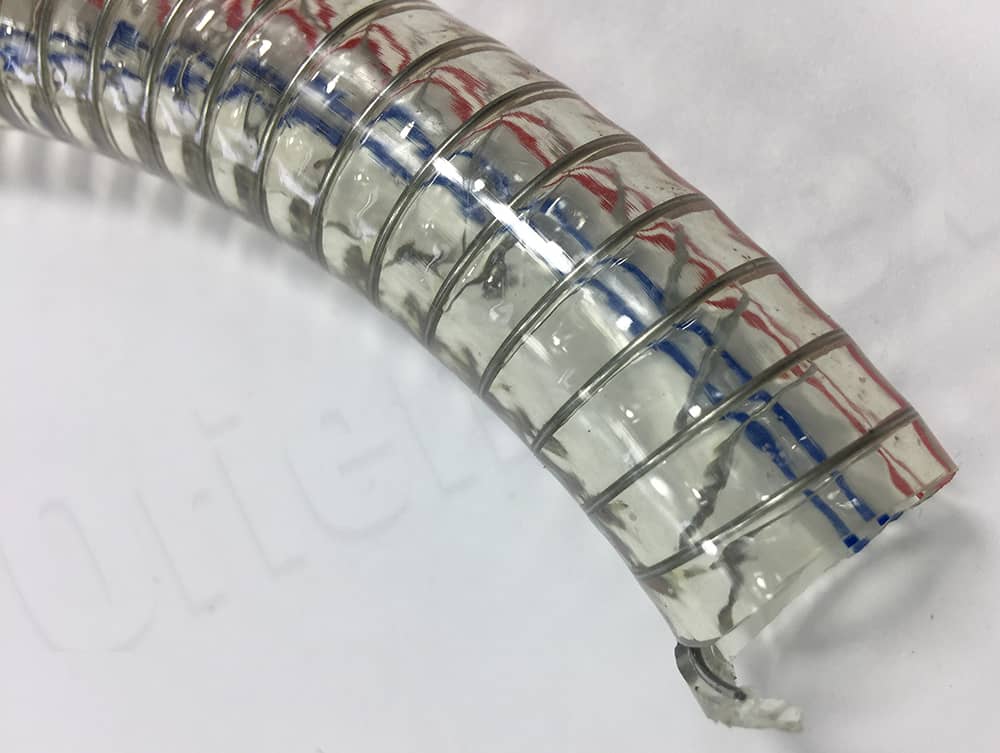
At the same time, focus on the medium you’ll transport. Many production processes involve special mediums flowing through the hose. If the hose can’t handle these substances, accidents may happen. This won’t just slow down production; in severe cases, it could even create dangers. So your reinforced hose must match the medium it will carry.
Second, confirm the hose’s pressure capacity. During use, only sufficient pressure allows material transport. Whether used with electrical equipment or fans, the hose must withstand both positive and negative pressures. Guesswork with pressure values can lead to safety risks—so get this right.

Finally, determine the working temperature and choose a reliable brand. Hoses use different materials to meet diverse needs, so start by defining your temperature requirements. Don’t overlook the supplier either: quality varies widely between brands. A trusted supplier will provide high-quality hoses with proper certifications, giving you peace of mind.