
As the name suggests, vacuum cleaner hoses are pipes designed for use in various vacuum cleaners. But their use isn’t limited to home settings. With industrial development, these hoses have expanded in both function and type—gradually making their way into industrial fields too. So what do vacuum hoses mainly do? And how should you maintain them during use? Let’s explore these questions.
The Main Functions of Vacuum Cleaner Hoses
In today’s industry, many vacuum cleaner hoses are built to be highly durable. This durability helps users save time, money, and energy. A quality vacuum hose starts with good materials—ones that meet top standards for both elasticity and strength. Its main role is to make vacuum cleaners operate professionally and effectively. However, long-term neglect of maintenance can lead to problems during use.
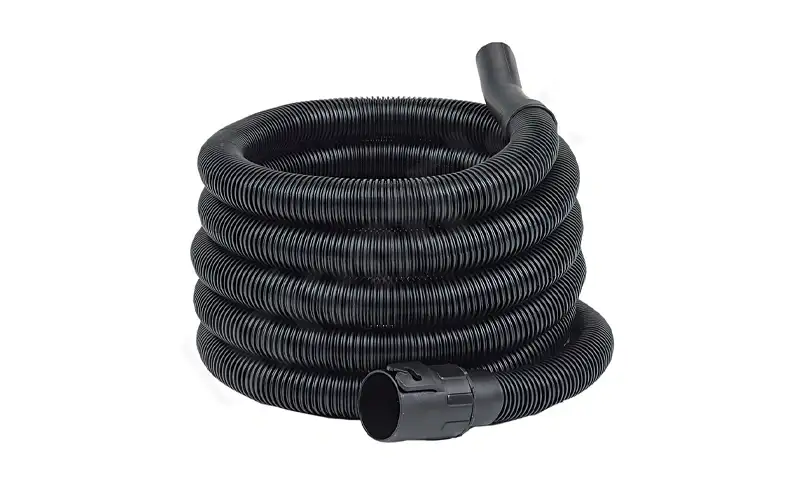
How to Maintain Vacuum Hoses During Use
When a vacuum cleaner runs, its motor creates a low-pressure area in the dust filter bag. This follows the principle of air flow: a pressure difference forms, pulling inhaled dust through the system. The dust travels from elbows and hoses to joints, finally reaching the dust filter bag.
Over time, as the vacuum gets regular use, its dust collection ability may decrease. When this happens, it’s time to maintain the vacuum hose.
First, promptly clean debris from the vacuum cleaner barrel and hose. Next, check the hose for air leaks or holes—if you find any, replace the hose immediately. Don’t forget to inspect the joints too; a thorough check of these connections ensures the system works properly.