
Steam hoses are essential components in pipeline systems. It is to transport high temperature steam, gas and water. However, over time, mineral deposits and impurities from the water can accumulate inside the hose. Then this leads to blockages, particularly at the joints. Regular cleaning is crucial to maintain optimal performance. So, how should you properly clean a steam hose?
Preparation Steps
Set Up a Temporary Exhaust Pipe – Install a pipe identical to the steam nozzle, directing it outside and angling it upward.
Mark the Flushing Area – Clearly indicate the flushing zone with a white band for visibility.
Ensure Proper Lighting & Safety – Operators should have adequate lighting and protective gear.
Inspect Pipe Supports – Verify the stability of all pipe supports and reinforce them if necessary.
Assign Clear Roles – Designate a team with specific responsibilities, led by a supervisor to coordinate the process.
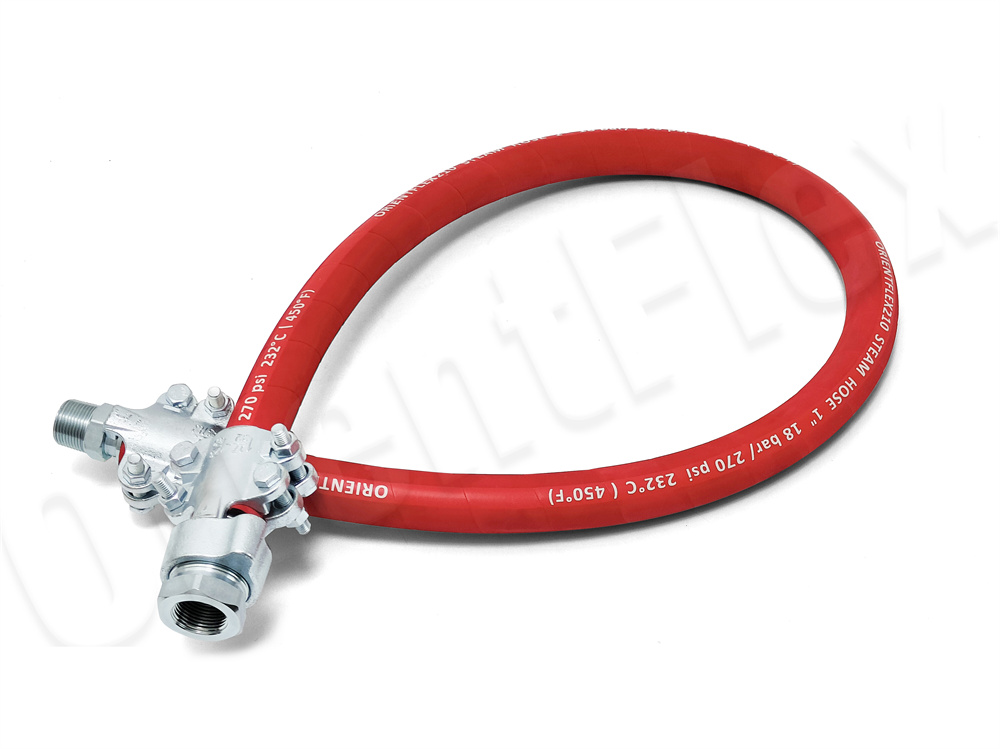
Purging Process
Warm the Pipe
Gradually open the intake valve while keeping all traps open.
Once steam appears in the traps, adjust them to a slightly open position.
When steam flows steadily from the discharge port, maintain this state briefly.
Constant Temperature Phase
Allow the pipeline to fully expand, ensuring proper thermal adaptation.
Monitor for any irregularities in heat expansion or displacement.
Purge the Hose
If no issues arise during the constant temperature phase, gradually increase airflow pressure.
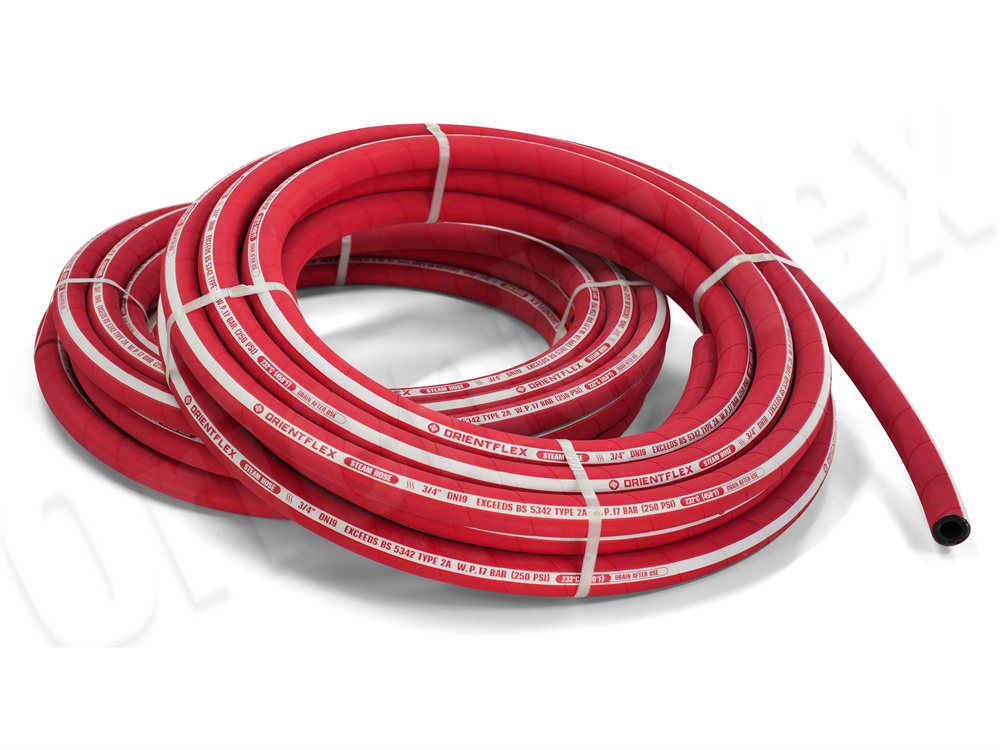
Repeat as Needed
Follow the cycle: Cool Down → Heat Pipe → Maintain Temperature → Pressurized Flushing.
A greater temperature difference improves flushing efficiency.
The number of flushing cycles depends on the cleanliness of the discharged steam.
Final Inspection & Completion
Once flushing is complete, open the drain valve to release pressure and vent remaining steam. Then remove the temporary exhaust pipe and reinstall the heater. After that, reconnect the air outlet to finalize the pipeline setup.
By following these steps, you can effectively clean your steam hose. Then you can prevent blockages and ensuring long-term reliability.