
Correctly installing steel hose pipes is crucial. It ensures metal hoses can fully perform their intended properties. Typically, metal hoses are installed after the root valve of a tank’s pipeline. A valve is also placed after the metal hose. This creates a flexible connection between the storage tank and pipeline, making stainless steel flexible hoses easy to inspect and replace.
Metal hoses naturally have limited axial displacement capacity. If the installation length matches their natural length, they can’t withstand strong axial stretching. This leads to breaks and leaks. For this reason, the installation length of metal hoses should be shorter than their natural length. This ensures they have some freedom of movement.
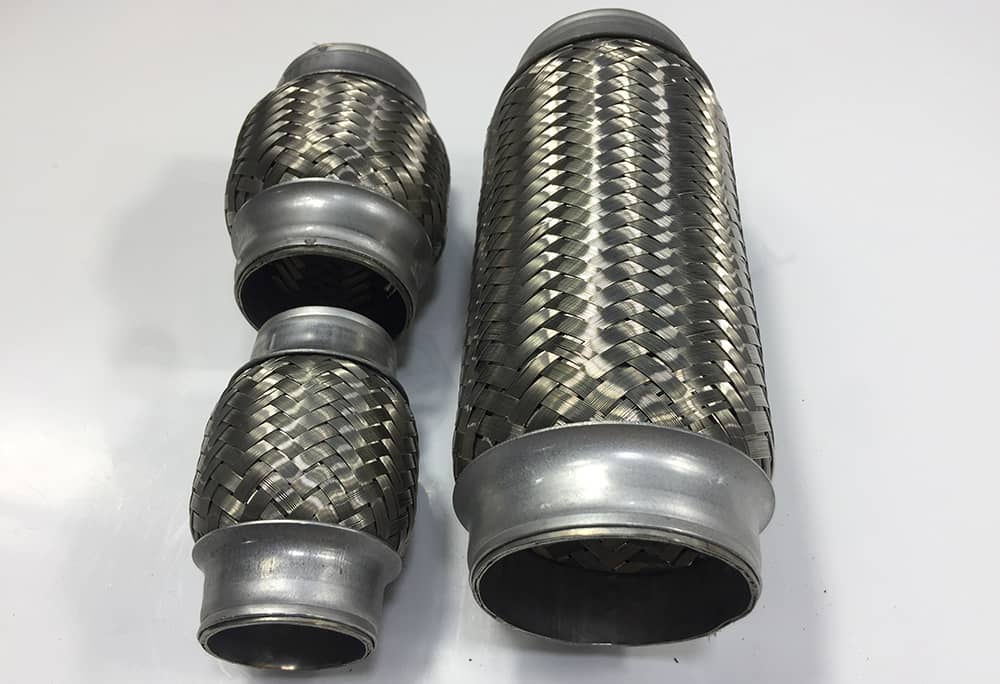
Two Types of Steel Hose Pipe Installation
Metal pipes mainly absorb displacement. Beyond ensuring the hose has freedom of movement, this can also be achieved through pipeline layout. Two common methods are L-type and Z-type.
L-type Installation
L-type is more common. Its overall layout is neat and visually appealing. It also reduces pipeline length and fluid resistance. However, the stress generated by the pipe affects the metal hose. This shortens the flexible hose’s service life, damages valves, and increases leak risks.
Z-type Installation
Z-type installation increases pipeline length and the number of elbows. But it can absorb axial displacement on its own. This reduces axial stress on the metal hose and pipe mouth, extending service life. It also helps stabilize the entire pipe system.
In short, if safety and service life matter most, Z-type is better. So, if space allows at the plant, Z-type should be the first choice.