
Industrial hoses rely on specialized inner tubes to handle diverse tasks—from chemical transfer to high-pressure hydraulics. Two top materials stand out: fluoropolymers and thermoplastics. Each offers unique strengths for industrial applications. Let’s break down their features, uses, and benefits.
Fluoropolymer Industrial Hoses: Ideal for Hygienic and Harsh Environments
Fluoropolymer inner tubes are revolutionizing industrial hose applications. They’re quickly replacing silicone in hygienic settings like food processing and pharmaceuticals.
The three most common fluoropolymers are PTFE, PFA, and FEP. These materials excel in extreme conditions, with a temperature range spanning -53℃ to 230℃—perfect for both freezing and high-heat industrial processes.
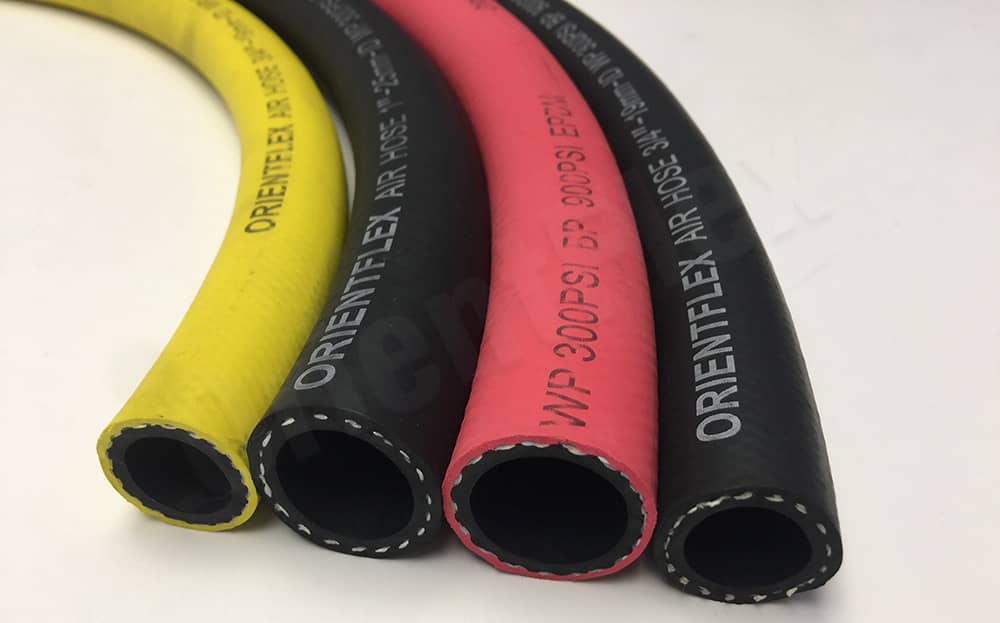
First, fluoropolymer hoses are the most chemical-resistant on the market. They stand up to harsh acids, solvents, and corrosives without breaking down. Additionally, they resist aging and sticking, so fluids won’t cling to the inner wall.
What’s more, they’re easy to clean and handle repeated steam cleaning—critical for hygienic industries. Like metal inner tubes, fluoropolymers have a low absorption rate, meaning they won’t soak up fluids or contaminants.
New technology has made fluoropolymer hoses as flexible as silicone. Bonding techniques add layers of fiberglass braid, boosting flexibility without letting glue seep into the inner tube. This prevents fluid contamination, a must for sensitive applications.
One caveat: fluids moving through fluoropolymer tubes can build static electricity. Static sparks may damage the hose or create safety risks. To fix this, manufacturers add carbon black to the inner tube. Carbon lets static charges flow safely to the outlet, eliminating hazards.
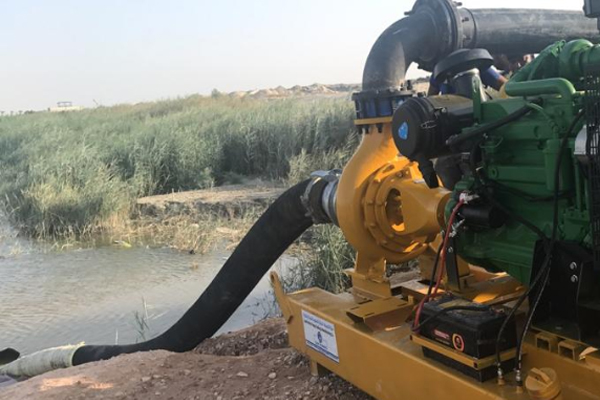
Thermoplastic Industrial Hoses: Strong Performers for Hydraulics
Thermoplastic hoses—often with nylon inner tubes—are workhorses in hydraulic applications. Popular types include SAE 100 R7, SAE 100 R8, and SAE 100 R14 industrial hoses.
These hoses thrive under high pressure, making them ideal for hydraulic systems in factories, construction, and machinery. They handle temperatures from -40℃ to 93℃, covering most moderate industrial environments. Most thermoplastic hydraulic hoses range up to 1 inch in diameter, fitting standard hydraulic setups.