
Figuring out if a hose is a food grade hose isn’t hard—you just need to check 4 key things. Regular hoses (like garden hoses) won’t pass these checks, so following these steps ensures you pick a safe food hose for food tasks.
1. Look for Food Safety Certifications on the Hose
The first step is to check for clear certifications printed on the hose. A real food grade hose must have labels like:
FDA: Proves the hose meets U.S. standards for food contact.
3A Sanitary Standards: Critical for dairy, beverage, or high-sanitary food facilities.
EU 10/2011: For hoses used in European food operations.
If a hose has no these certifications, it’s not a food grade hose—don’t use it for food.
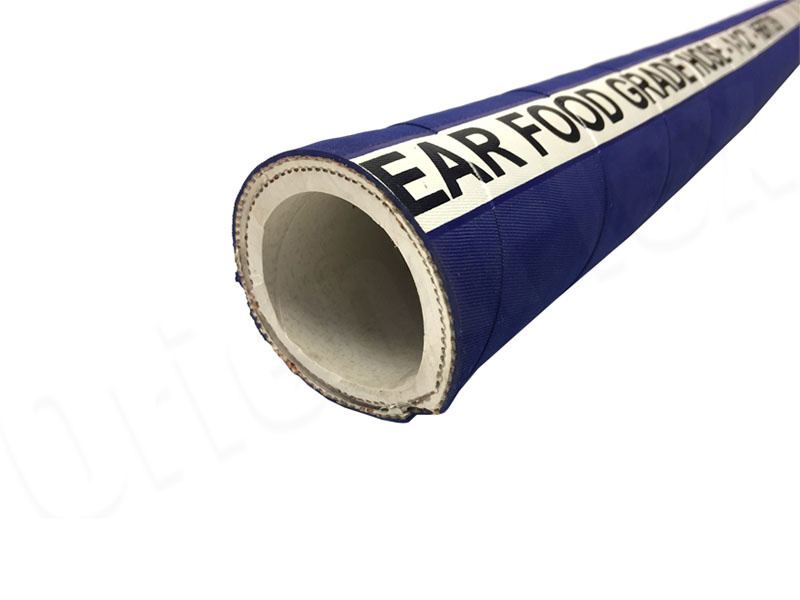
2. Check the Hose’s Material Label
Food grade hoses are made with specific food-safe materials. Look for material names like:
Silicone: Common in heat-resistant food hoses (great for hot liquids).
EPDM: Ideal for water-based or mild food fluids (resists mold).
Nitrile (Buna-N): Safe for oils or fats (won’t absorb food residues).
Avoid hoses labeled with “PVC” (unless it’s food-grade PVC) or “industrial rubber”—these aren’t safe for food hoses.
3. Inspect the Hose’s Inner and Outer Surface
A food grade hose has two key physical traits:
Smooth inner lining
No pores or rough spots—this stops food residues from sticking.
Non-toxic outer layer
Should feel smooth, not sticky, and have no strong odors.
Regular hoses often have porous inner walls or smelly materials—dead giveaways they’re not food hoses.