
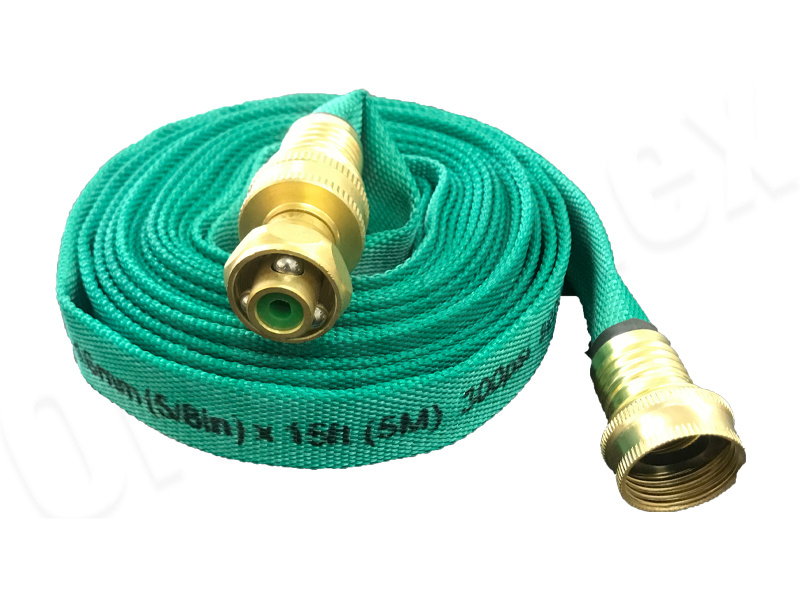
In the field of fire safety, every detail matters to the safety of life and property. Fire hoses are essential equipment for firefighting and rescue operations, and the reliability of their connectors directly impacts the smooth operation of firefighting operations. Therefore, regular inspections of fire hose connectors are crucial to ensure they are in good condition.
The Importance of Connector Inspections
Fire hose connectors may seem small, but they play a significant role. Loose or damaged connectors can cause the hose to leak during firefighting, seriously impacting firefighting effectiveness. More seriously, if a connector suddenly fails in an emergency, it can delay firefighting efforts and even cause immeasurable damage. Therefore, regular inspections of fire hose connectors to promptly identify and address potential problems are crucial for ensuring fire safety.
Inspection Methods and Procedures
Appearance Inspection: Carefully inspect the fire hose connectors for visible damage, cracks, or deformation. If any abnormalities are detected, replace them immediately.
Tightness Check: Gently shake the connector by hand to check for tightness. If the connector is loose, tighten it with specialized tools.
Water Leakage Test: If conditions permit, perform a water leak test. Fill the fire hose with water and observe the connectors for water leakage. If leaks are detected, stop using the hose immediately and repair or replace it.