
Step 1: Inspect the Car Air Conditioning Hose Directly
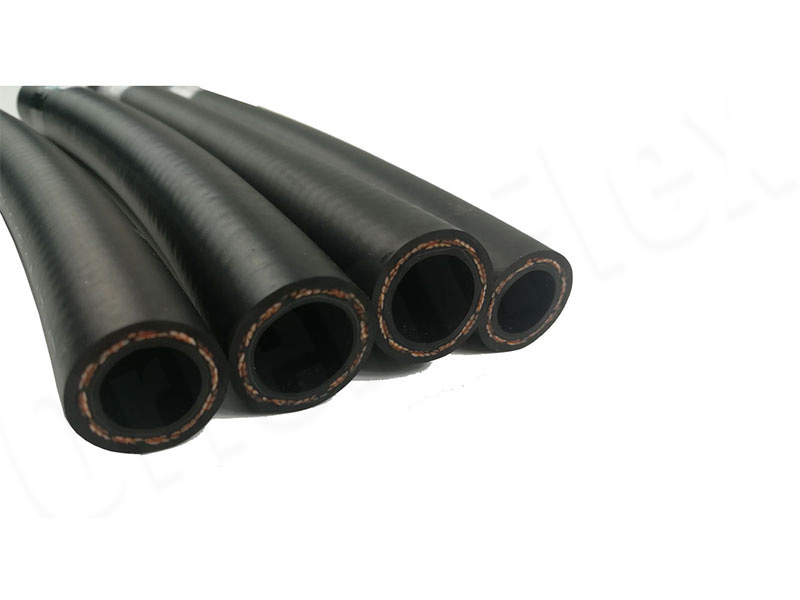
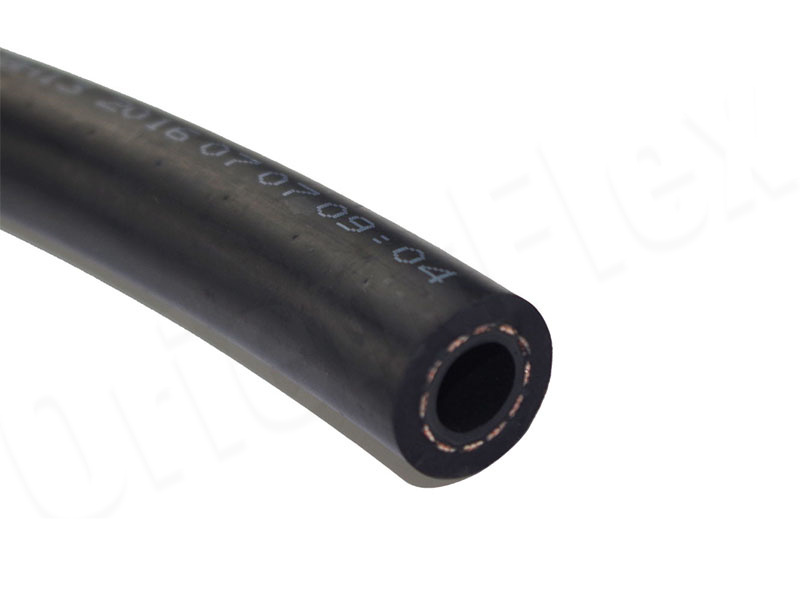
Start with the most common leak source: your car air conditioning hoses. First, locate the AC hoses—they run from the AC compressor to the condenser and evaporator (usually near the engine or under the dashboard).
Look for visible signs of damage: cracks, splits, or bulges in the hose rubber. Also check the hose fittings (where hoses connect to other parts) for looseness or corrosion.
If you spot any damage (like a split in the AC tube for car) or wetness around fittings, the hose is likely leaking. In most cases, you’ll need to replace the leaky car air conditioning hose—patching won’t hold up to AC system pressure.
Step 2: Check the AC Compressor (A Common Leak Trigger)
Next, inspect the AC compressor—it’s connected to your car air conditioning hoses and can cause leaks too.
Compressor issues (like worn internal parts) often lead to insufficient stroke length. When this happens, refrigerant doesn’t compress properly at the compressor’s end.
Sometimes, the compressor creates ultra-high pressure instead. This pressure can force leaks: either the steel drum end of the compressor doesn’t seal tightly, or tiny “trachomas” (small holes) form in the drum.
If you see oil stains or refrigerant residue around the compressor (especially near where car AC hoses attach), it’s a sign of a leak. Compressor leaks are serious—you’ll likely need to replace the faulty part or the entire compressor to fix it.
Step 3: Examine the Expansion Valve (A Rare But Possible Leak Source)
The expansion valve is less likely to leak, but it’s still worth checking.
This valve controls refrigerant flow into the evaporator, and if it malfunctions, it can disrupt the AC system—though it rarely causes direct leaks.
If the valve does leak (e.g., from a crack), replacement is simple and affordable.
While you’re here, also check the surface cooler (part of the evaporator system). It can develop trachomas or cracks, which let refrigerant escape. Look for dampness or frost buildup on the surface cooler—these are leak signs.