
Tank truck hose is a critical component that connects tank trucks to refueling equipment. Its main job is to transport fuel safely from the truck to the equipment. When choosing a tank truck hose, you must prioritize fuel safety first—and also consider environmental protection.
Material selection directly determines a tank truck hose’s performance. Below are the three non-negotiable traits to focus on:
1. High Strength and Wear Resistance
Tank truck hoses face two key stresses: fuel pressure and wear during transport. They need strong strength and wear resistance to hold up. To achieve this, manufacturers often use high-strength synthetic fibers or steel wires as the hose’s skeleton. This skeleton ensures the tank truck hose won’t easily damage, even with long-term use.
2. Oil Resistance and Aging Resistance
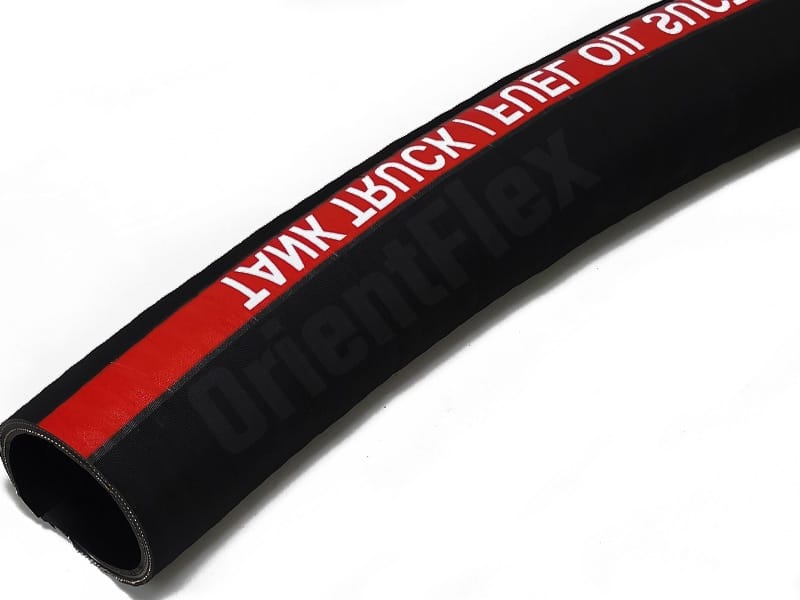
Fuel is naturally corrosive, so a tank truck hose must have excellent oil resistance. What’s more, tank truck hoses spend most of their time outdoors. This means they need strong anti-aging properties to resist sun, rain, and temperature changes. Currently, most quality tank truck hoses use materials like PU or neoprene—both offer top-tier oil resistance and anti-aging performance.
3. Excellent Sealing Performance
Sealing directly impacts fuel transport safety. A leaky tank truck hose risks fuel spills, which are dangerous and harmful to the environment. For this reason, choose hoses made with sealing-focused materials. Silicone and fluorine rubber are great options—they create tight, reliable seals that prevent leaks.
The right material makes all the difference for a tank truck hose. Prioritizing these three traits ensures your hose delivers fuel safely, lasts long, and meets environmental standards.