
When choosing high-pressure hose couplings, keep these factors in mind.
First, look at the material. High-pressure hose couplings are usually made of metals like stainless steel or carbon steel. The right material offers good corrosion resistance and strength, fitting various work needs.
Second, check the joint’s sealing. Sealing directly affects the system’s safety and reliability. So, pick joints with strong sealing performance. This ensures fluids or gases transfer normally.
Additionally, consider pressure capacity and service life. This way, you can make sure the joint handles the required pressure and lasts a long time.
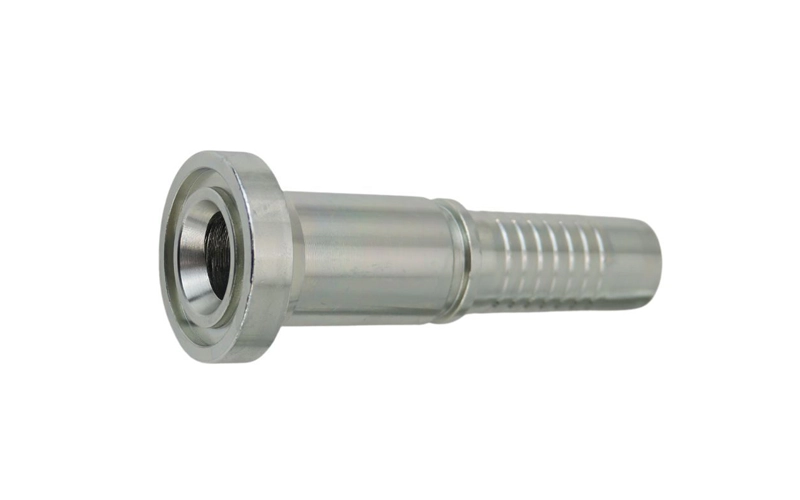
Beyond material, there are other aspects to consider
First, the joint’s diameter. The coupling’s diameter must match the hose’s diameter. Only then will the connection be secure and tight. Common sizes include 6mm, 8mm, and 10mm. Custom sizes are also available.
Second, the thread size. For threaded connectors, the thread size must match the hose’s to create a reliable connection. Common thread standards include ISO, Metric, and Imperial. Among these, ISO threads are more common, such as M6, M8, and M10.
Moreover, high-pressure hose joints may have special features. These include swivel joints and protective sleeves. A swivel joint lets the hose rotate slightly during use. This reduces distortion and damage to the hose. Protective sleeves add extra protection. In turn, they make the joint more durable and corrosion-resistant.