
1. Basic Inspection Frequency for Chemical Transfer Hoses
For most chemical transfer hoses, inspect them every 30 days. This rule applies to hoses handling non-abrasive, low-corrosive chemicals. Even if the hose looks fine, regular checks catch early issues before they worsen—just like routine checks for slurry hoses.
2. Increase Frequency for High-Risk Scenarios
First, inspect after each use if handling abrasive chemicals. Chemicals mixed with solid particles (similar to slurry) wear the hose’s inner layer fast. A single use can create tiny cracks, so check immediately after flushing.
Second, check weekly for high-temperature or high-pressure chemicals. These conditions stretch the hose’s material. Weekly inspections prevent sudden bursts, which is critical for safety—much like frequent checks for high-pressure slurry hoses.
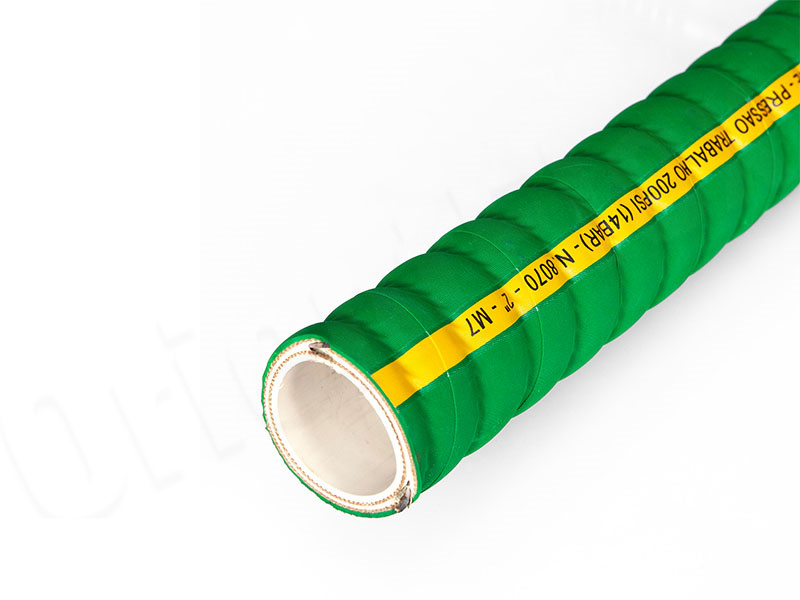
Third, inspect daily if using aging hoses. Old chemical transfer hoses lose flexibility. Daily checks spot hardening or bulging, which signal the need for replacement.
3. Key Checkpoints During Inspections
Start with the inner layer. Look for discoloration, scratches, or residue buildup. Residue from chemicals can corrode the hose, just like slurry residue does.
Then, examine the outer layer. Check for cuts, bulges, or soft spots. These are signs of external damage that could lead to leaks.
Finally, test the fittings. Tighten loose connections and check for rust or chemical buildup. Leaky fittings often start small but cause big problems—same as with slurry hose fittings.