
1. Typical Lifespan of a Slurry Hose
A standard slurry hose usually lasts 1 to 5 years. But this range is not fixed. It depends on multiple factors that directly affect wear and tear. For example, a low-pressure slurry hose used for mild materials may hit 5 years. A high-pressure one handling abrasive slurry might only last 1 year.
2. Key Factors That Shorten Slurry Hose Life
First, abrasive materials are a top threat. Slurry with sand, gravel, or metal particles rub the hose inner layer daily. Over time, this creates cracks or holes.
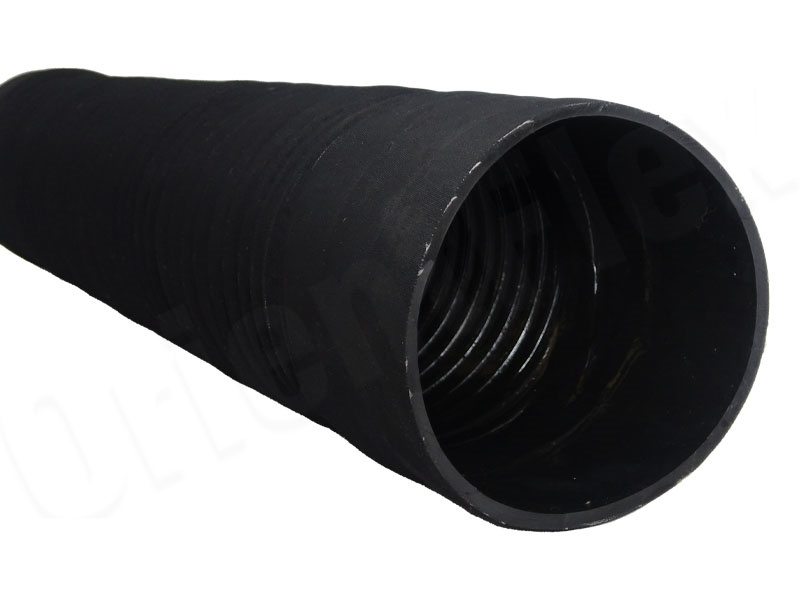
Second, pressure and temperature matter too. If you run the hose above its rated pressure, the tube stretches too much. High temperatures (over 60℃ for most models) also break down the rubber.
Third, poor installation causes extra stress. Kinking the hose or using mismatched fittings strains the connections. This leads to leaks or splits early on.
3. How to Extend Slurry Hose Lifespan
To make your slurry hose last longer, start with correct selection. Pick a hose rated for your slurry’s abrasiveness, pressure, and temperature.
Then, do regular inspections. Check for cracks, bulges, or worn inner layers every 2–3 months. Replace small damaged parts quickly.
Finally, use proper storage. Keep unused slurry hoses in a cool, dry area. Avoid direct sunlight or sharp objects that scratch the surface.