
Rubber hoses are among the most common tools in daily life. In agriculture, we use them to deliver water. During floods, they help drain excess water. In oil delivery lines, rubber oil hoses transport petroleum, diesel, and more. But in large projects, we need large diameter rubber hoses. Only these hoses can meet high fluid volume demands.
Large diameter hoses often transport oil, water, ethanol, fuel, and other fluids over long distances. Some lie on the ground, but most are buried underground. This makes maintenance very difficult. So, we must take steps to extend their service life.
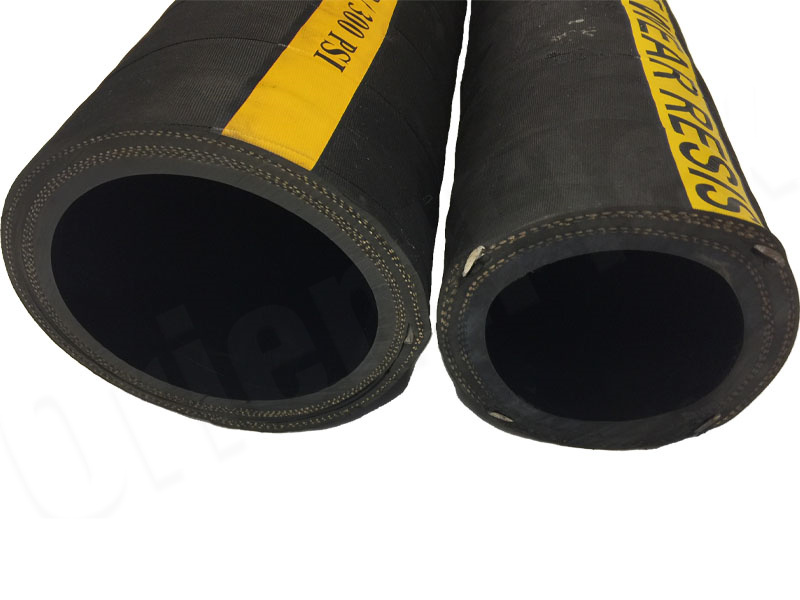
Using Large Diameter Hoses Correctly for Longer Life
First, keep the medium’s temperature between -40℃ and +120℃. Temperatures outside this range will shorten the hose’s lifespan.
Second, never use the rubber hose assembly with a bending radius smaller than the hose’s design. Otherwise, bending may occur near the pipe joint. This blocks fluid flow and reduces service life.
Third, handle the hose carefully during installation and transport. Don’t drag it across sharp or rough surfaces. Also, avoid bending or flattening it.
Finally, keep the rubber pipe clean during use. After each use, clean the hose thoroughly to avoid trapped impurities. Impurities can cause blockages and even damage the hose over time.