
Sand blasting hoses are common in factories and workshops, primarily used to spray shot and other abrasive media to remove rust from surfaces. However, improper handling or incorrect use can hinder their performance. What specific factors affect the normal use of blasting hoses and nozzles? Let’s break them down.
Hose Quality
The quality of a sand blasting hose directly impacts its performance, and this starts with the raw materials. High-quality materials lead to durable, reliable shot blast hoses. Unfortunately, some manufacturers use inferior plastics, resulting in poor-quality hoses that fail quickly. Always prioritize hoses from reputable suppliers to ensure longevity and effectiveness.
Work Environment
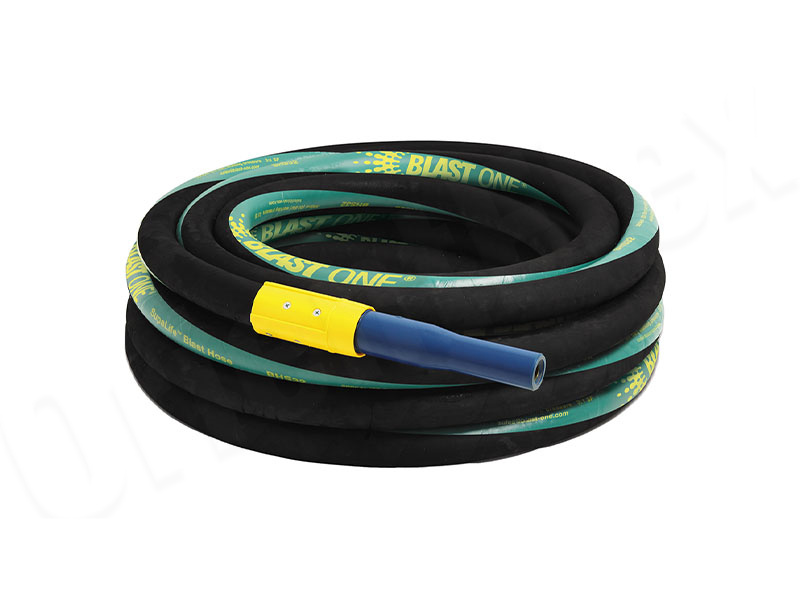
Anti-static abrasive blasting hoses are widely used in industrial settings, but many overlook the importance of work conditions. Frequent exposure to strong acids or alkalis accelerates corrosion in steel blasting tubes. Similarly, prolonged use at high temperatures can degrade the hose material, reducing its lifespan. Always match the hose’s specifications to your environment to avoid premature wear.
Static Electricity
Static is a common issue with rubber hoses, affecting types like oil hoses, chemical hoses, and composite hoses. When selecting a sand blast hose, pay attention to its insulation properties. Most modern hoses, however, include a copper wire inside to conduct static, mitigating this risk. This built-in feature ensures safer operation in static-prone environments.