
Hoses are common materials in our lives, and today’s market offers many types. One popular option is the dust extraction hose—specifically, the anti-static variety. These hoses are affordable and widely used, but do you know where they fit into your daily life?
Anti-static hoses excel in environments where friction creates static. They’re ideal for handling abrasive particles, as they reduce or even eliminate static buildup. What’s more, these duct hoses resist wear, chemicals, and UV rays. They also stay leak-free during use, making them reliable for various tasks.
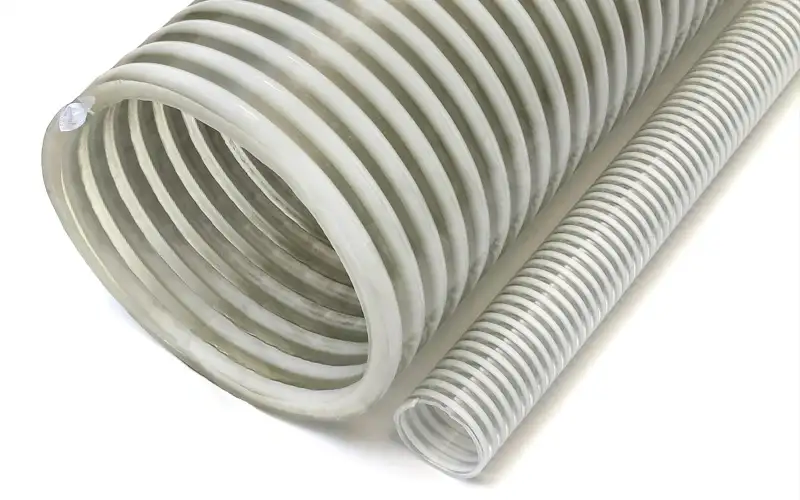
Most anti-static hoses on the market are made from PU (polyurethane). They work efficiently in temperatures ranging from -20℃ to over 90℃. You’ll find them in many everyday places, like kitchens—where they help exhaust cooking fumes. Their structure is simple, but their performance is impressive. In rural areas, people even use them to collect water.
Thanks to their flexibility, anti-static hoses also play a big role in industry. They’re used with industrial robots, pneumatic tools, and as protective jackets for metal or electronic products. This versatility gives them a strong market prospect.
Anti-static hoses are reasonably priced, but prices vary—and so does quality. High-quality hoses cost more upfront but last longer. On the other hand, cheap hoses have lower costs but shorter lifespans. Your choice depends on your specific needs.
Dust extraction hoses may be common and simple in structure, but their role is crucial. If you need one, choose a reliable supplier to ensure quality. I recommend Orientflex—a one-stop supplier of flexible hoses and couplings with a reputation for excellent quality.