
A gas stove hose is a specialized pipe designed to safely transfer gas. Nearly every household has a gas hose in the kitchen, but the market offers many types of stove gas hoses. Wondering which one is best? Let’s explore the main types of gas stove connectors and their advantages.
Aluminum-Plastic Composite Gas Hose
The aluminum-plastic composite hose is a common choice for natural gas pipelines. It features a middle layer of aluminum, with inner and outer layers made of PE (polyethylene). The aluminum layer is bonded to the PE layers using hot melt adhesive, and the entire hose is formed into a single unit through special processing. This design offers durability and moderate flexibility for household use.
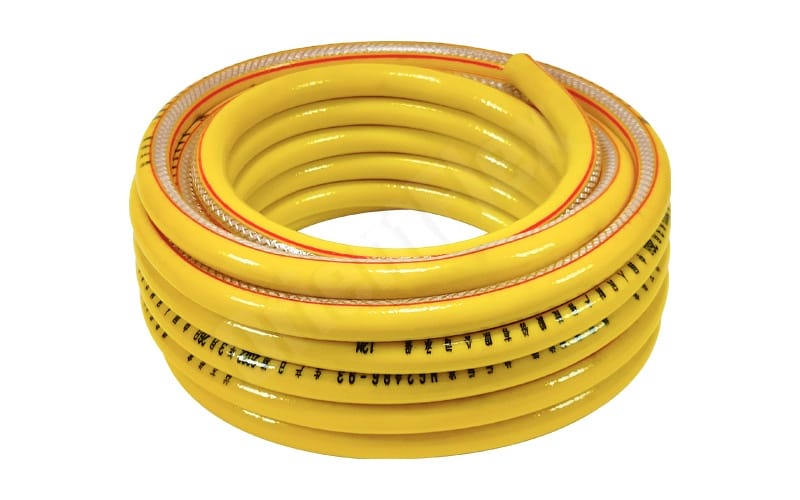
Metal Gas Hose
This modern gas hose is a top-tier choice, offering secure connections, corrosion resistance, and a long lifespan. It is also easy to install and requires minimal construction effort.
Key benefits of metal gas cooker connectors include:
Flexible and airtight: Adapts to tight spaces while ensuring no gas leakage.
Superior safety: Eliminates the risk of leaks, withstands impacts and cuts. Besides, it is highly resistant to rodent damage (e.g., mice biting).
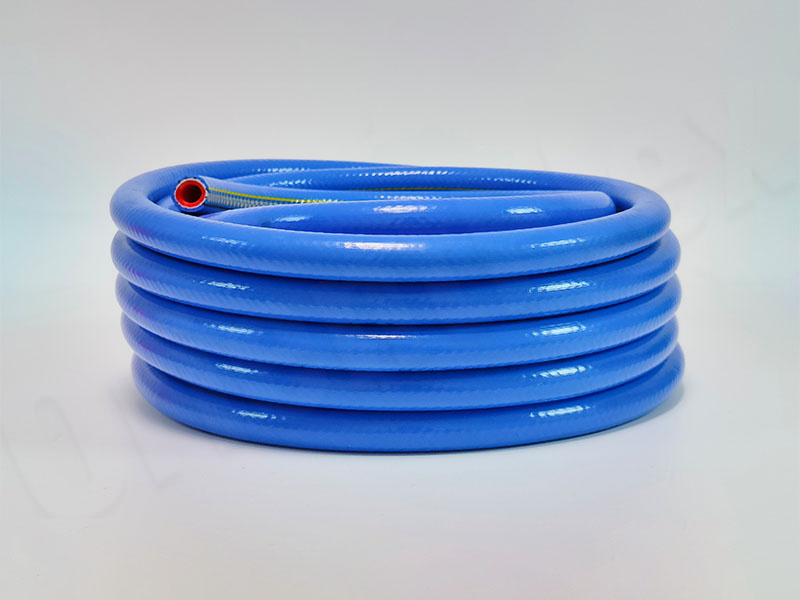
Long service life: Outlasts other hose types, making it suitable for both household and industrial applications.
For users prioritizing safety and durability, a metal gas hose is the best option.
PVC Gas Stove Hose
PVC gas hoses are made from high-quality PVC material, offering softness, flexibility, and reliable safety. They can withstand high pressure, resist aging, and maintain good airtightness for extended use.