
Industrial rubber hoses come in various types, including air hoses, water hoses, oil hoses, and food-grade hoses. Most are flexible and black, with designs like braided or high-pressure constructions. While they are durable, common issues like bubbles, cracks, bursts, and aging can arise. In this article, we’ll focus on crack problems and their root causes.
The Crack Issue: A Common Complaint
Some clients report that their rubber hoses develop cracks after being bent sharply (e.g., 180 degrees) and left outdoors for a week. While these cracks may resemble normal aging, they can sometimes be subtle yet problematic. Why does this happen?
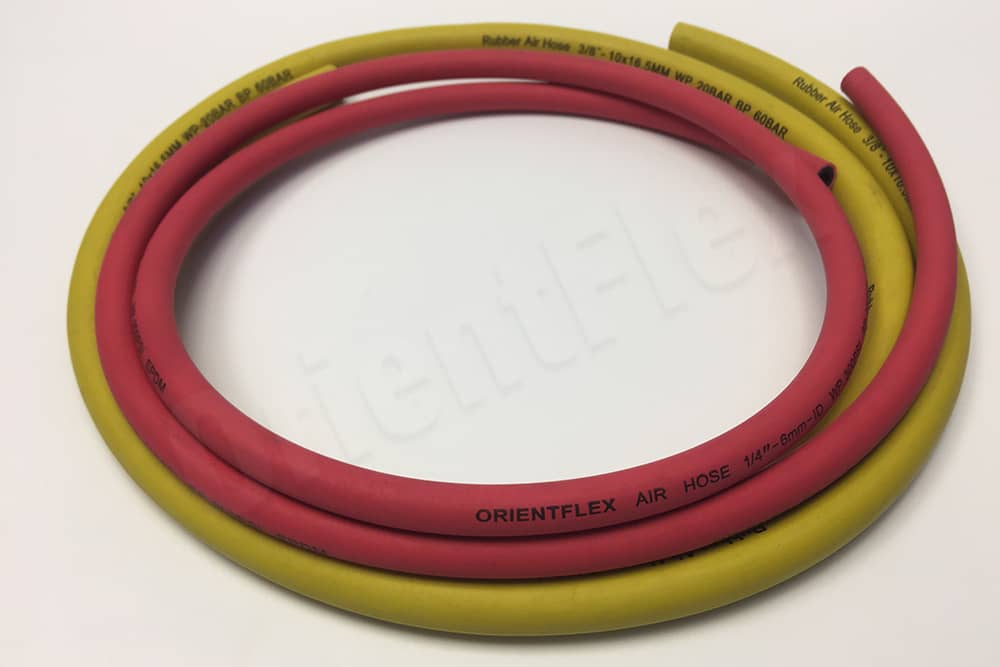
Key Causes of Rubber Hose Cracking
1. Poor Ozone Resistance and Low Rubber Content
Ozone exposure
Rubber hoses with weak ozone resistance are prone to cracking when bent, as stress concentrations react with ozone in the air.
Low rubber content
Hoses with insufficient rubber in their compound may lack elasticity, making them more susceptible to splitting under bending stress.
Solution
Adjust the rubber compound formula to increase rubber content and add ozone-resistant additives.
2. Fillers and Raw Material Quality
Filler issues
Even with high rubber content, certain fillers can disrupt the compound’s integrity, leading to surface cracks.
Raw material choice
Low-quality raw rubber or an inadequate protective system can accelerate degradation.
Solution
Switch to higher-grade raw rubber and optimize the filler-to-rubber ratio, along with a robust anti-aging formulation.
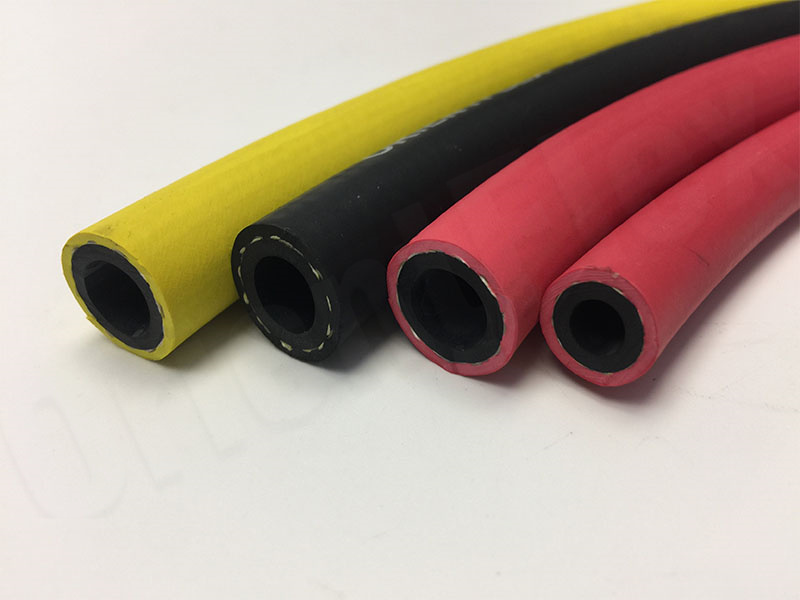
3. Environmental Factors: Bending Stress and UV Exposure
Mechanical stress
Sharp bends create internal pressure in the hose, weakening the structure over time. This stress, combined with outdoor exposure, speeds up aging.
UV radiation
Sunlight’s ultraviolet rays break down rubber polymers, causing brittleness and cracks. A week of direct exposure can significantly degrade the hose, especially if pre-stressed by bending.
Cumulative effect
The combination of bending-induced stress and UV exposure is often the primary culprit, not just rubber content alone.